AGIBOT's 2026 Challenge: Evaluating AI Models Through Practical Robotics Applications
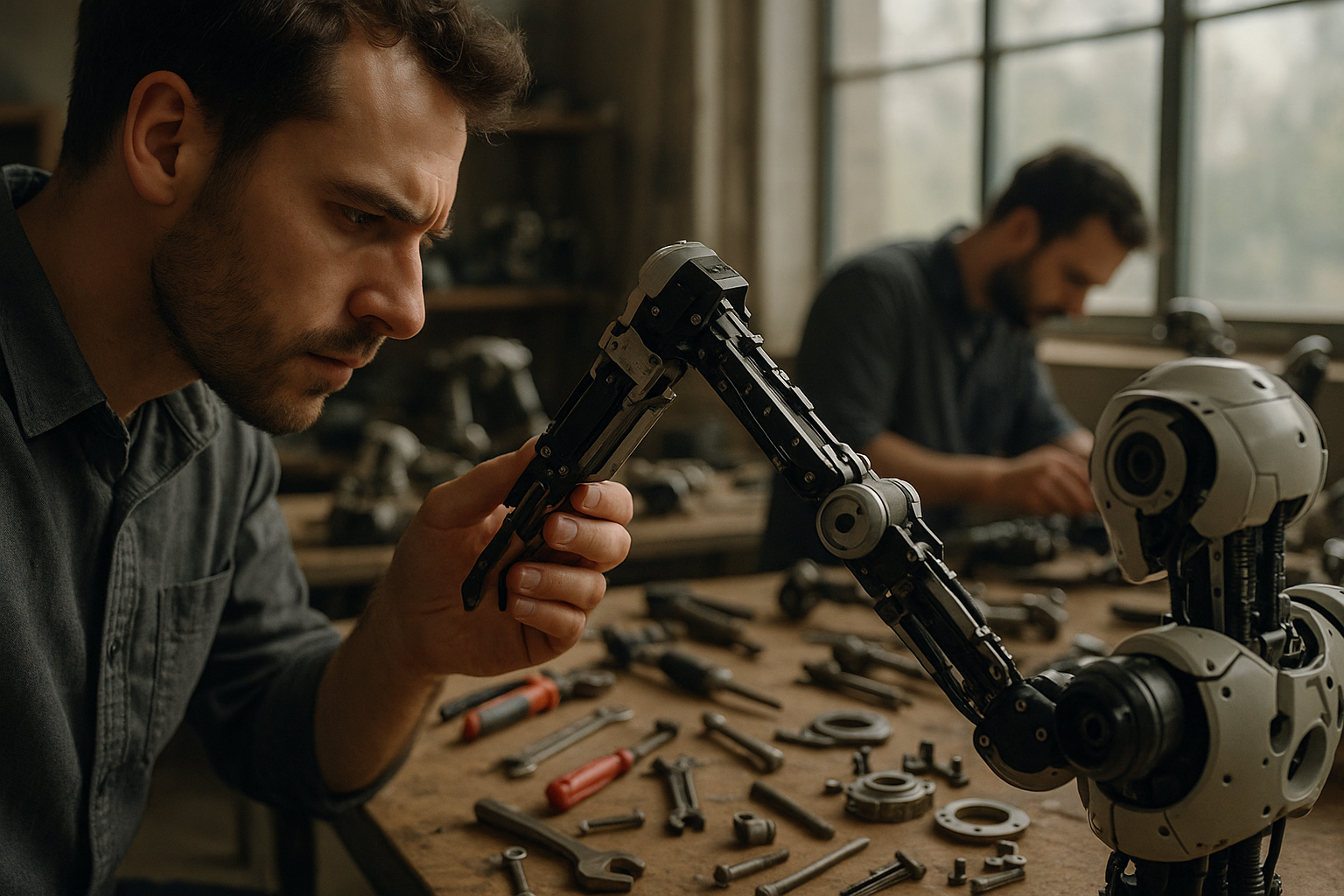
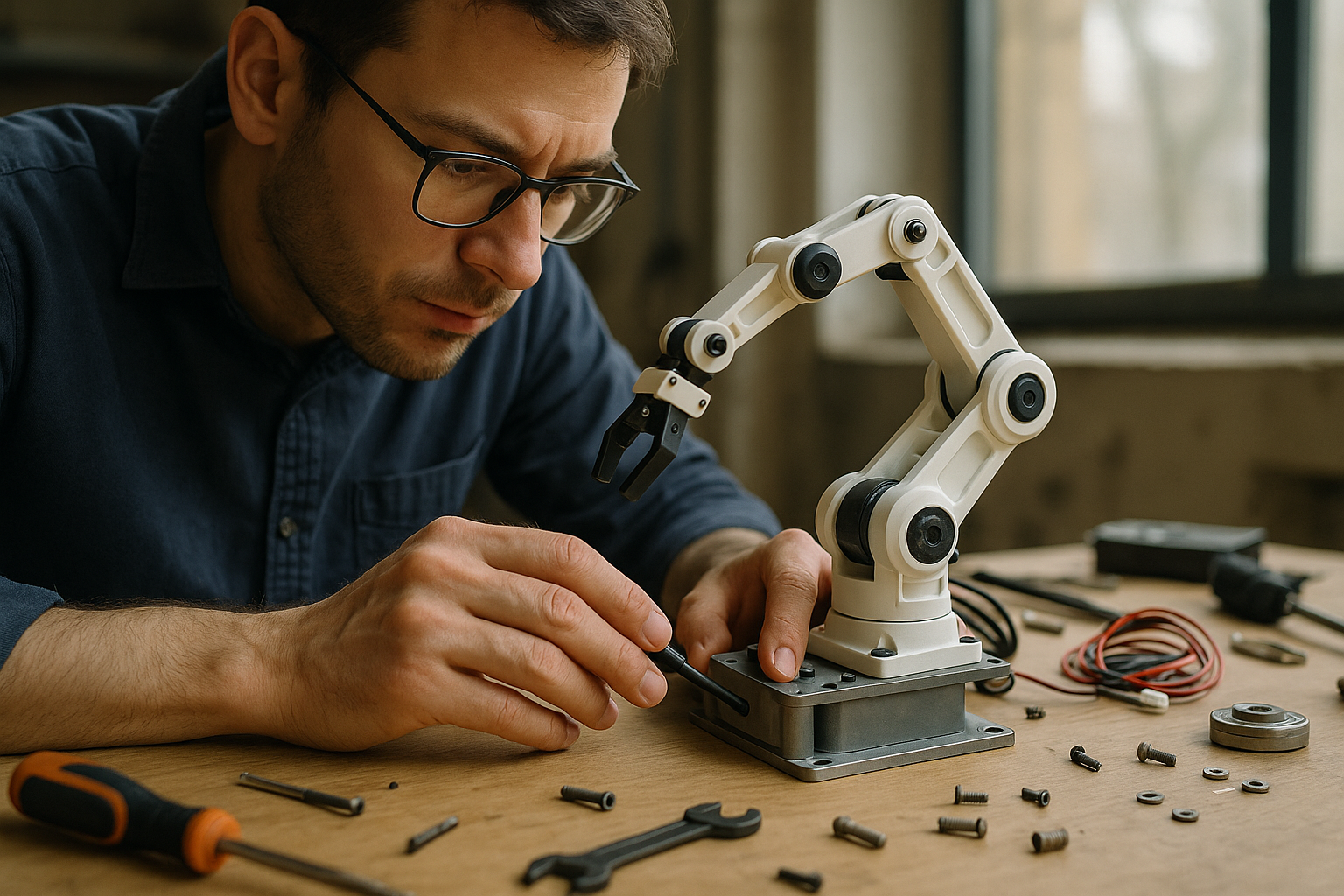
AGIBOT is betting that the next leap in AI in robotics won’t be proven on leaderboards, but on factory floors and in daily environments. Its 2026 Challenge shifts AI evaluation from simulation-heavy benchmarks to closed-loop testing where AI Models must sense, plan, and act on real robot technology under real constraints.
This matters for the robotics industry because Practical Robotics exposes the gaps that often derail deployments: latency, grasp uncertainty, safety limits, and recovery from failure. By measuring performance across full task cycles, the program can accelerate robotics innovation and make comparisons between AI technology stacks more meaningful for buyers.
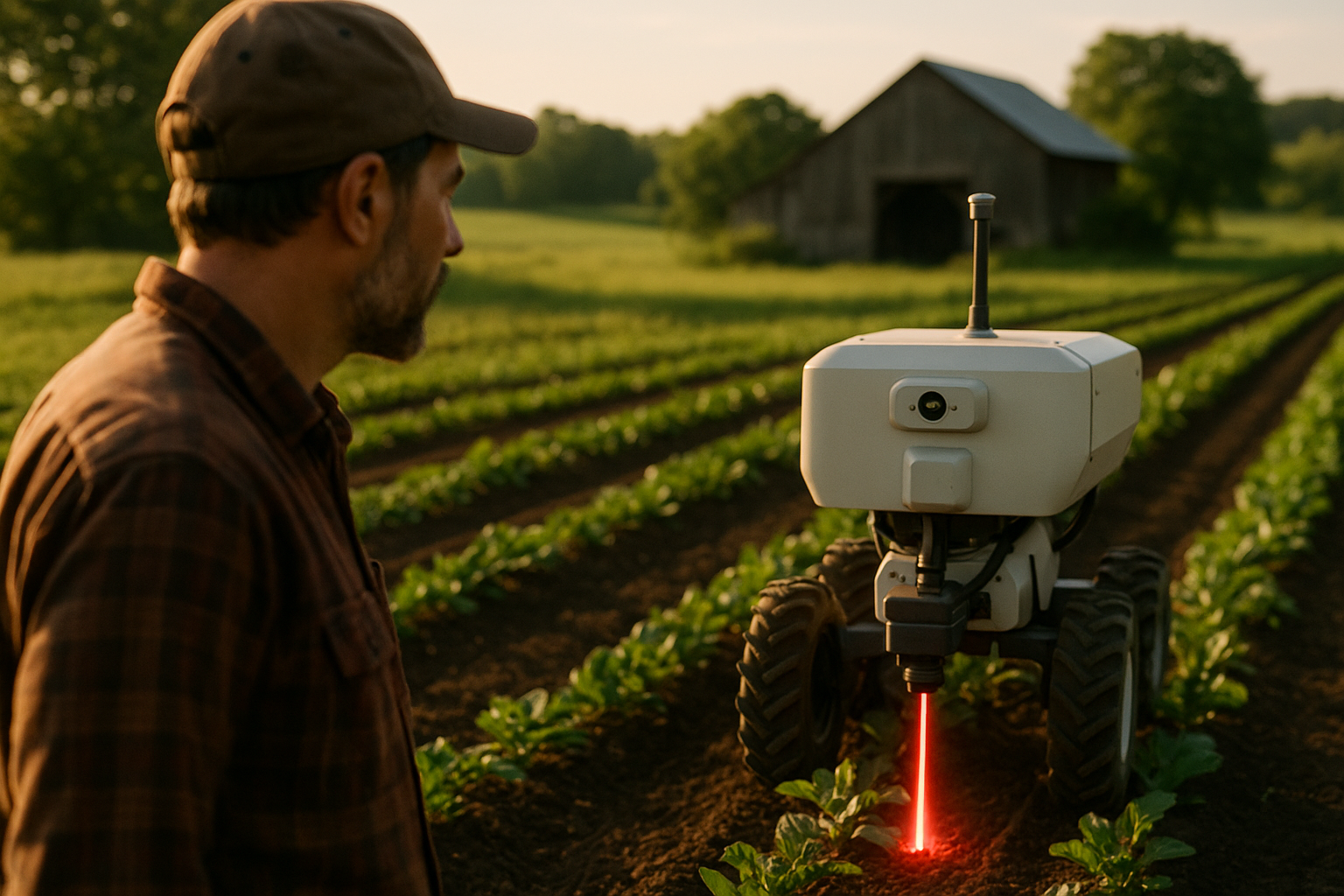
For businesses, stronger evidence of reliability can shorten procurement cycles for industrial robots and service robots, and improve ROI for AI-driven automation. Real-world robotics applications include bin picking, kitting, inspection, and mobile manipulation in logistics—use cases where intelligent machines must adapt to variability. If the 2026 Challenge helps standardize evaluation, it could guide robotics research toward next-gen robots and AI-powered robots that are easier to validate, certify, and scale across automated systems.