Integrating Physical AI in Asset Management: Insights from IFS's Christian Pedersen
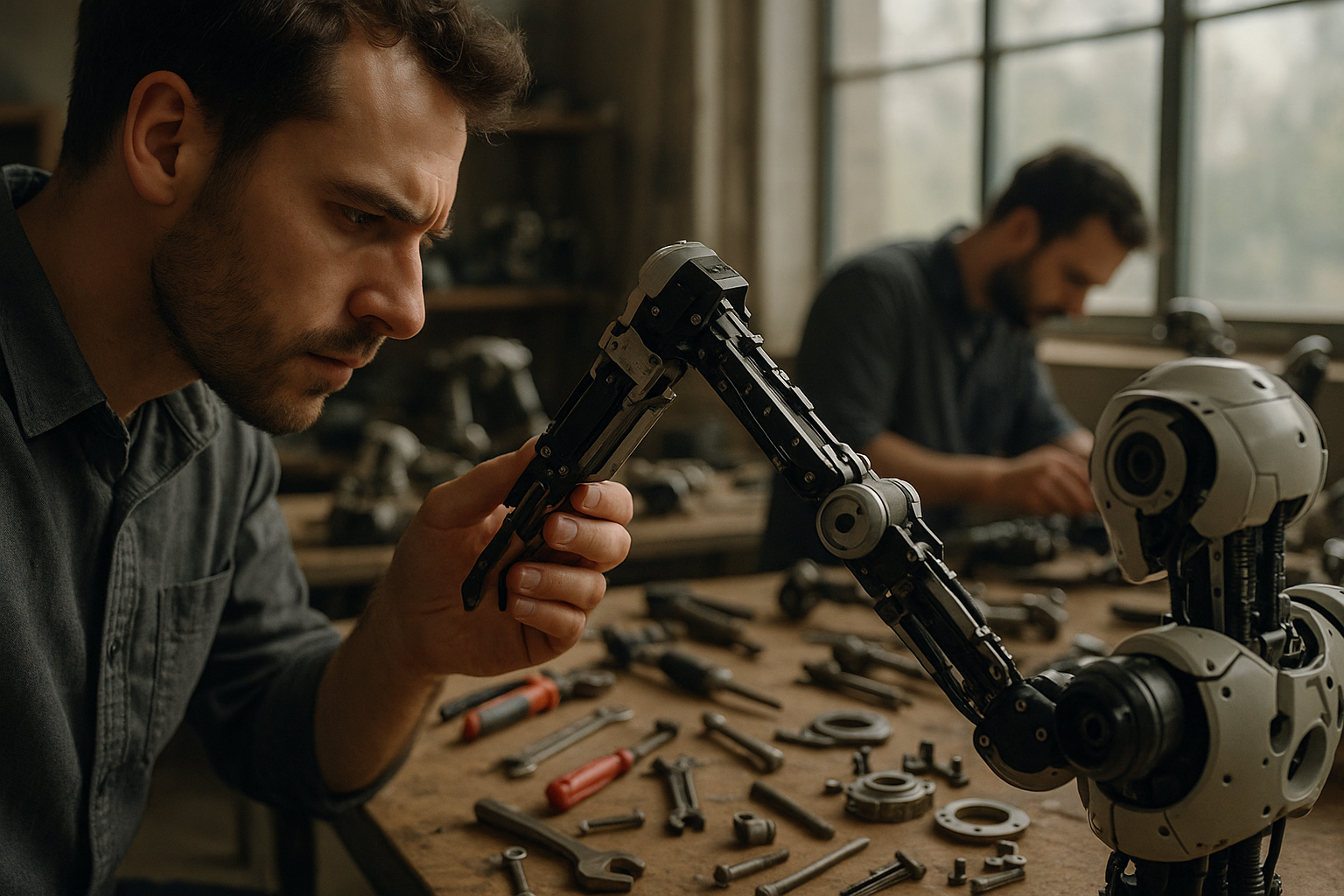
Physical AI is moving beyond demos and into day-to-day asset management, and IFS chief product officer Christian Pedersen argues it can tighten the loop between what happens in the field and what gets decided in the back office. The shift matters for AI in industry because it connects artificial intelligence with robotics and smart machines that can sense, act, and report—turning maintenance from reactive work into smart asset management.
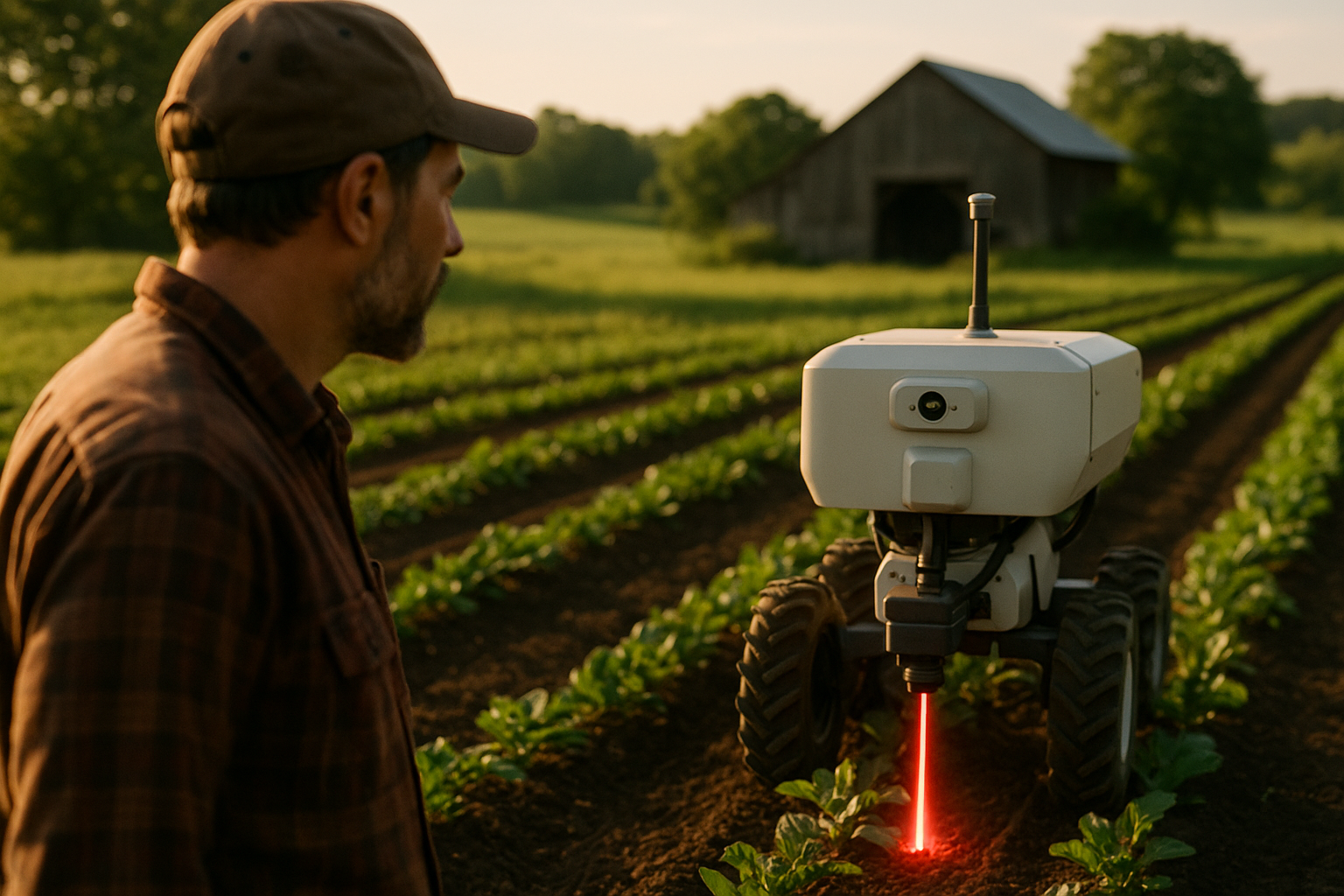
In practice, AI integration links enterprise workflows to robot technology: industrial robots and service robots can inspect equipment, capture condition data, and trigger AI-driven automation for work orders, parts planning, and compliance documentation. This kind of advanced robotics technology supports safer operations by reducing human exposure to hazardous environments while improving uptime through earlier fault detection.
- Real-world uses: autonomous inspection of plants, warehouses, utilities, and remote sites; mobile robots scanning thermal, vibration, and visual anomalies.
- Business implications: fewer unplanned outages, faster dispatch decisions, better labor utilization, and clearer ROI from robotics innovation.
For the future of robotics, the message is clear: intelligent machines become more valuable when they are integrated into the systems that run the business, not bolted on as standalone tools—an important thread in today’s robotics news.