Robotics Innovation: Overcoming Challenges in Policy Adaptation and Deployment
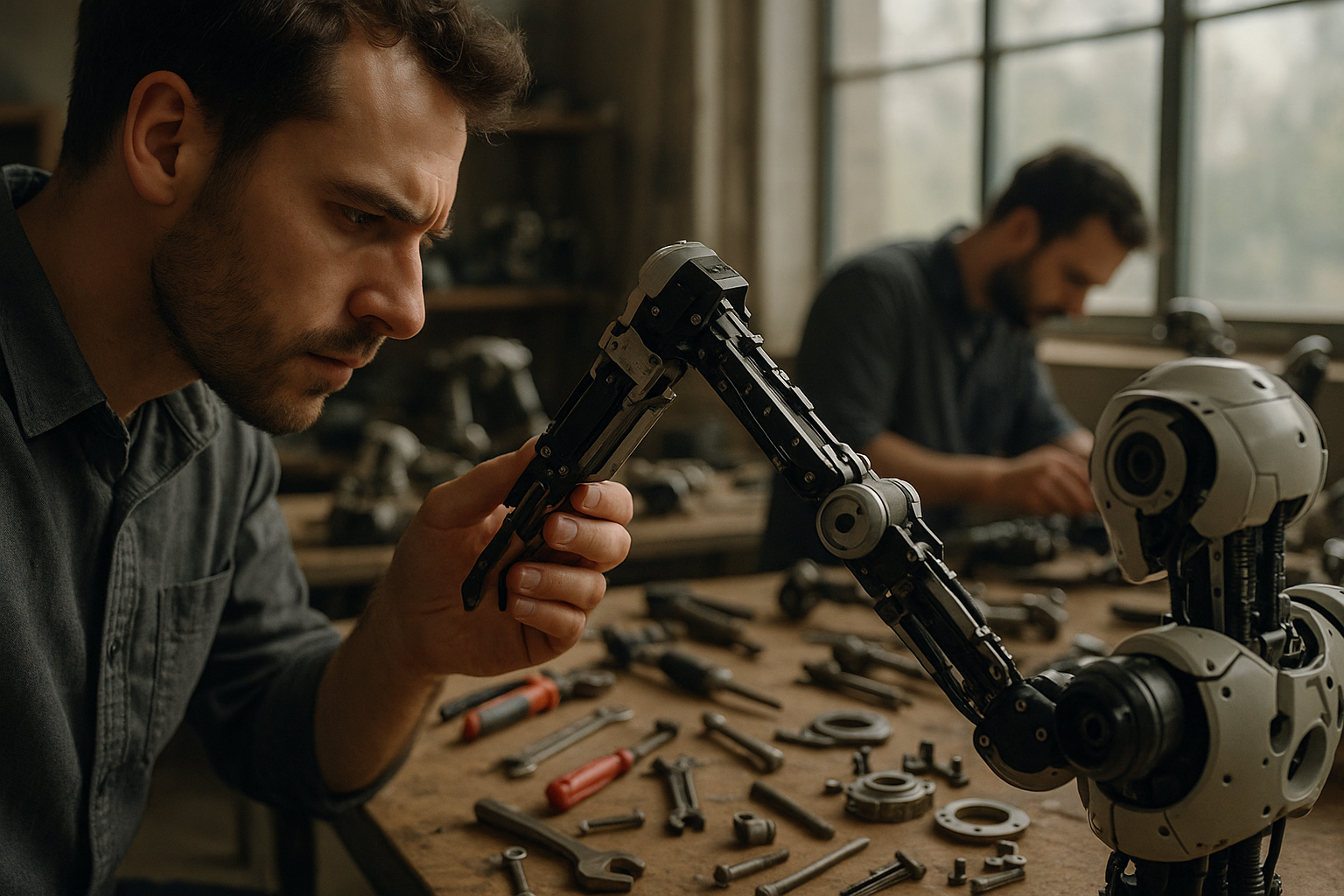
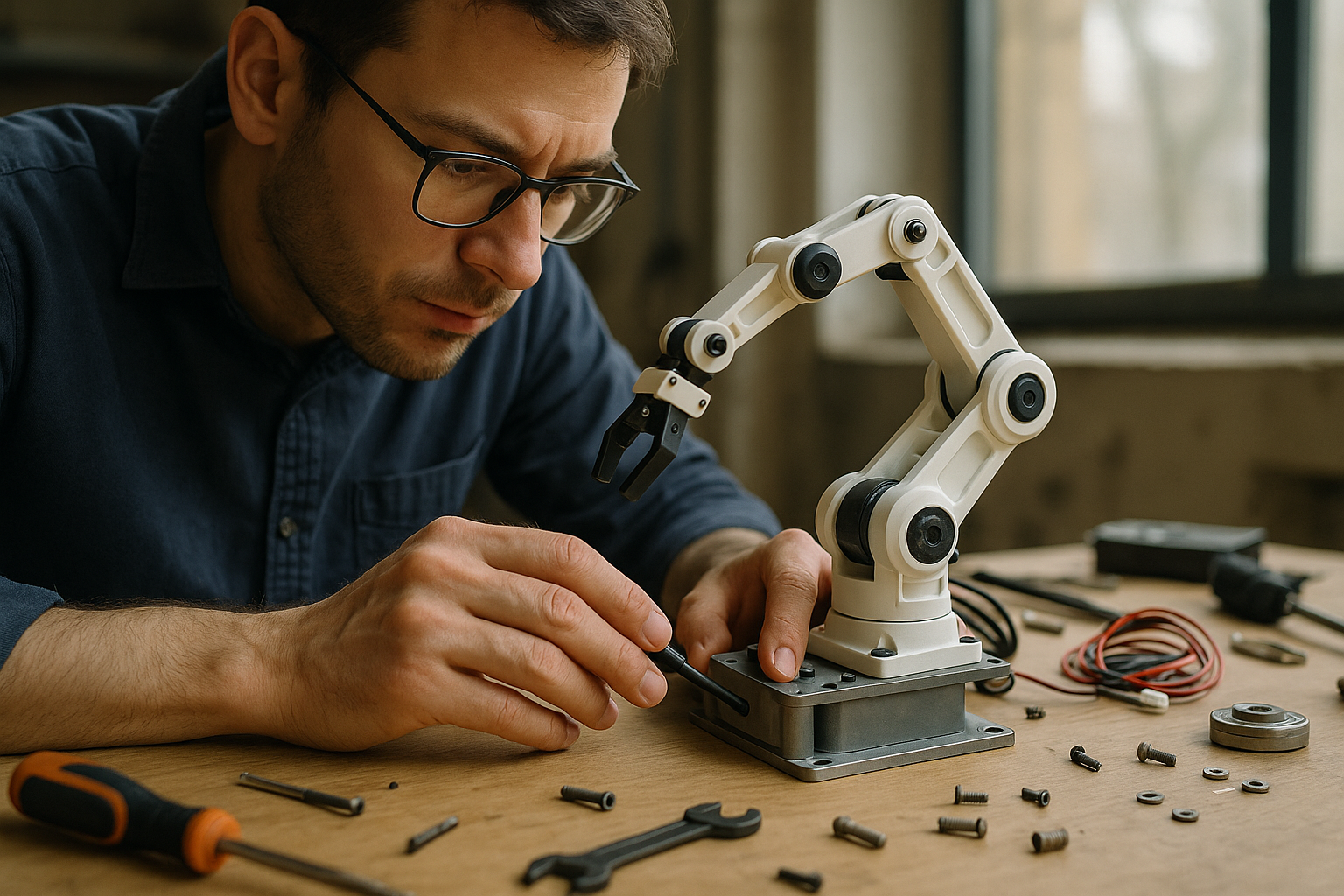
The dream of a “downloadable” Robotics Policy—like a model you can copy, run, and win—doesn’t translate cleanly to real factories and field work. In Robotics Innovation, the hard part isn’t training a policy once; it’s Policy Adaptation across different arms, grippers, sensors, and safety constraints, then proving reliability under messy conditions. These Deployment Challenges define whether AI in Robotics becomes repeatable Automation or a one-off demo.
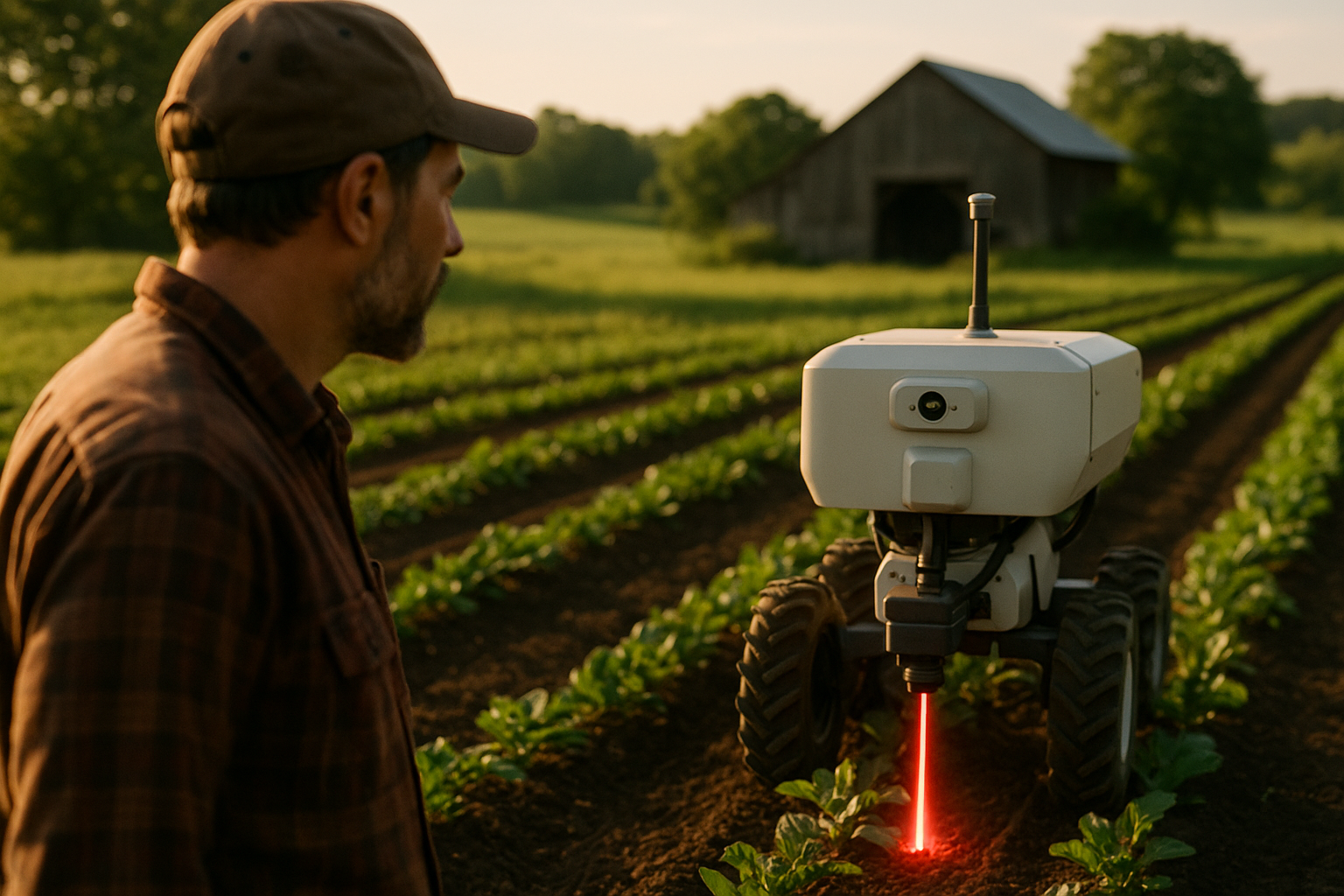
For the Robotics Industry, the breakthrough will be practical Robotics Deployment: teams must integrate Robot Technology into customer processes, monitor performance, and diagnose failures weeks later when a line stops. That requires logging, versioning, simulation-to-reality checks, and clear accountability—especially for Industrial Robots running high-throughput tasks and Service Robots operating near people.
- Real-world applications: bin picking, packaging, welding, inspection, and mobile manipulation in warehouses.
- Business implications: faster Robot Integration, lower downtime, safer Smart Machines, and clearer ROI for Automation Technology.
Innovation in Robotics will be measured by how well Smart Robotics can be transferred, audited, and maintained—not merely trained. Expect Robotics Development to shift toward tools for traceability, validation, and lifecycle support as Robotics News increasingly focuses on deployment, not just model size.