Task-Specific AI: The Shift from Humanoid Robots to Practical, Localized Solutions
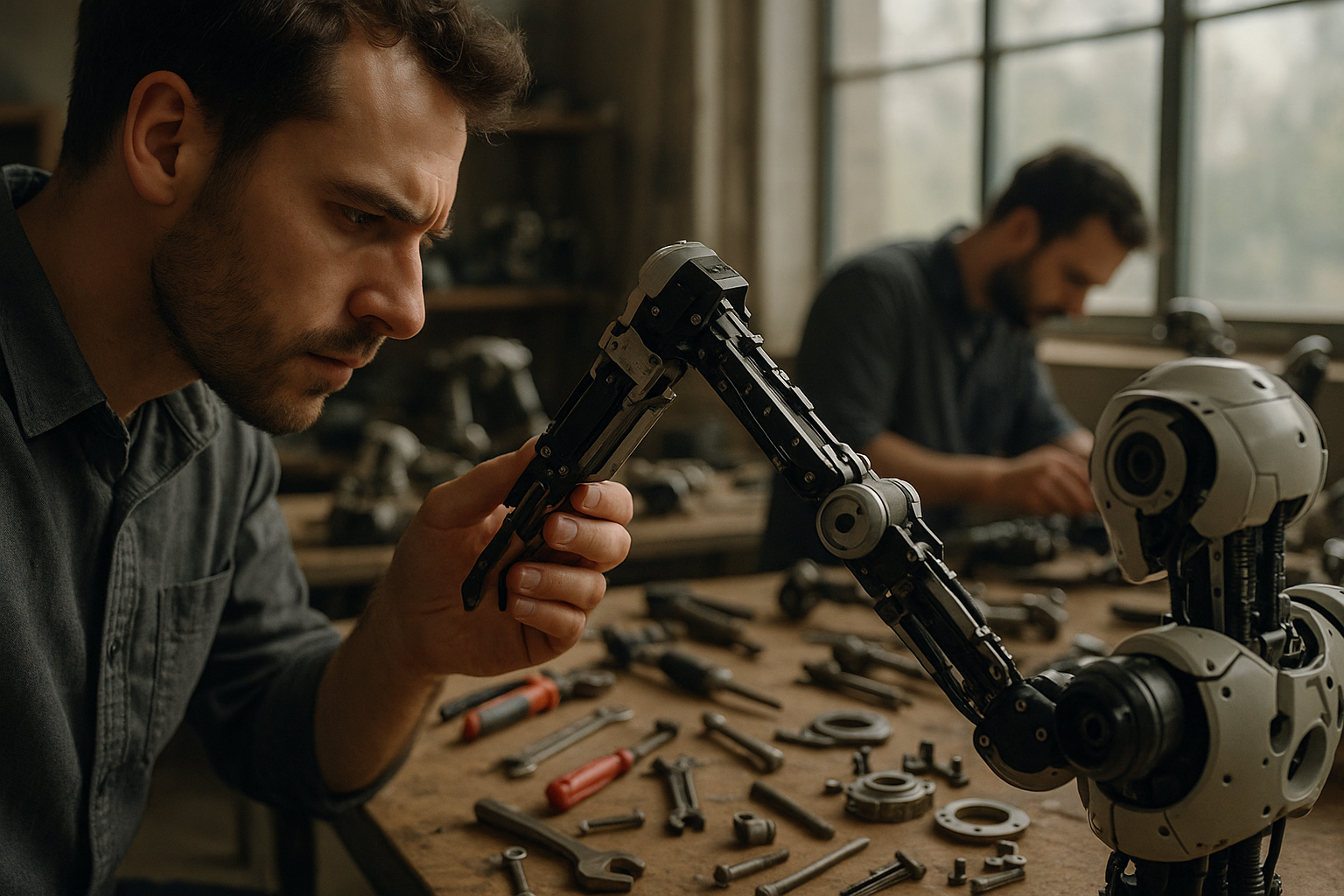
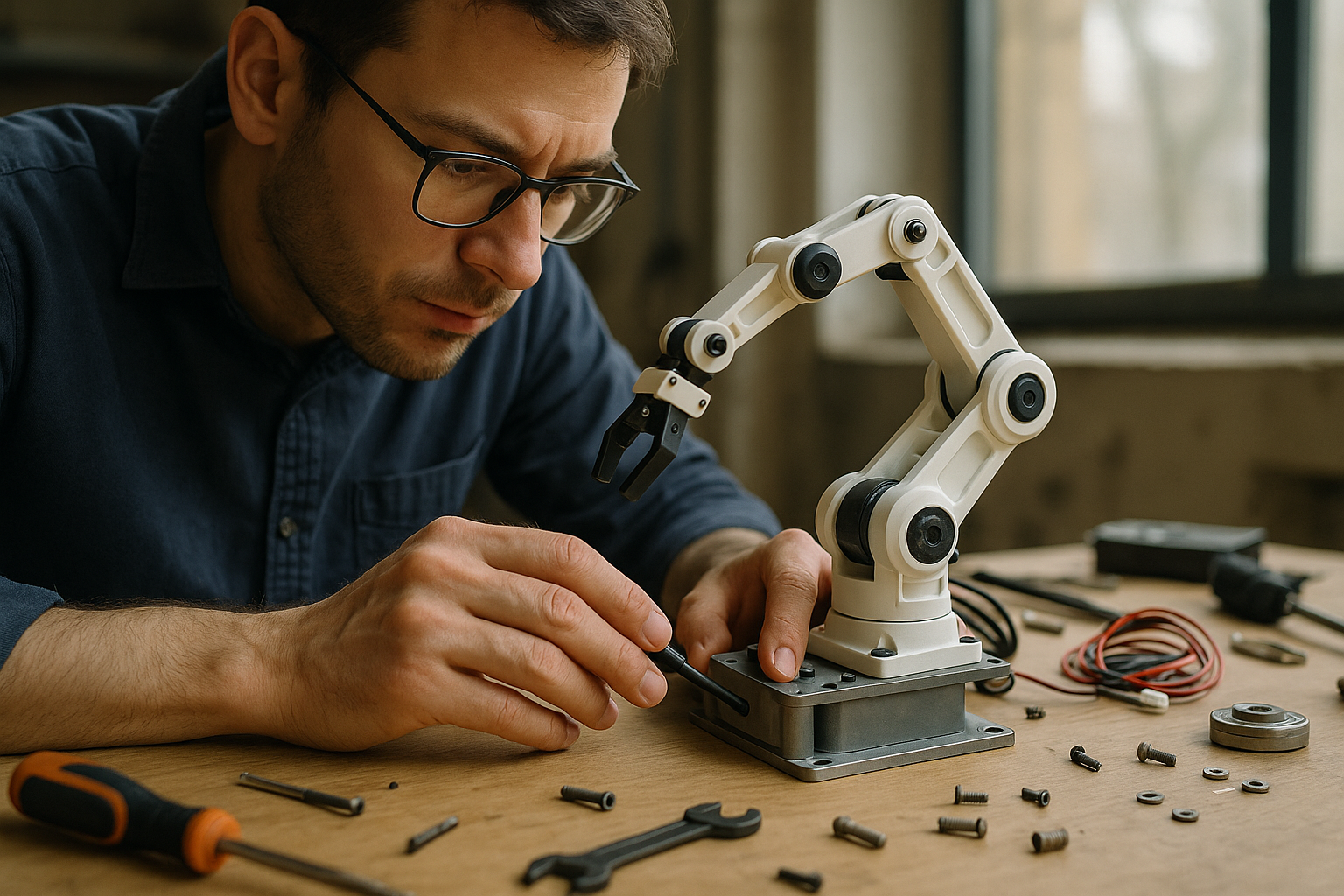
The next wave of physical artificial intelligence in robotics is moving away from humanoid robots and toward task-specific AI embedded directly in smart machines. Instead of chasing a one-size-fits-all body, robotics innovation is increasingly about specialized robots built for measurable outcomes: speed, uptime, safety, and cost. This is where localized solutions—running perception and control at the edge—become a competitive advantage for practical robotics.
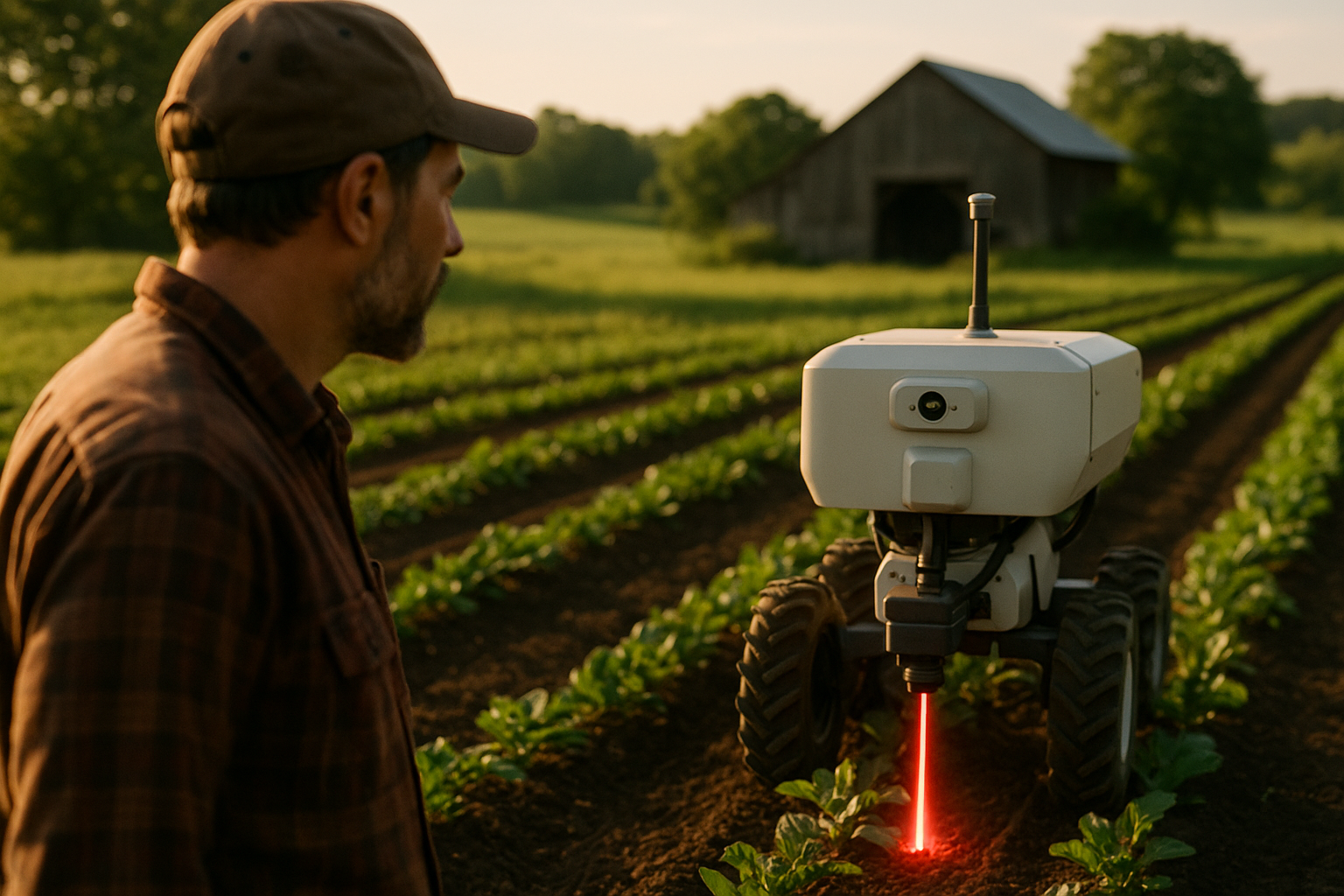
Localized AI solutions reduce latency, bandwidth needs, and privacy exposure, enabling AI-driven automation even in connectivity-poor sites. For the robotics industry, that means faster robot development cycles and clearer ROI: industrial robots that inspect, pick, sort, or weld with on-device intelligence; service robots that navigate hospitals or retail with reliable autonomy; and industry-specific robots optimized for farms, warehouses, and construction.
Business impact: lower compute and integration costs, scalable automation, and predictable maintenance for efficient robotics solutions.
Robot technology impact: task-focused AI improves robustness in real environments, accelerating AI advancements and next-gen robots adoption.
As robotics trends favor tailored robotics applications over general-purpose demos, smart robotics will be judged by throughput and total cost of ownership. The future of robotics is practical: AI technology in robots that is local, efficient, and built for real robotics applications—driving robotics innovation trends across the market.