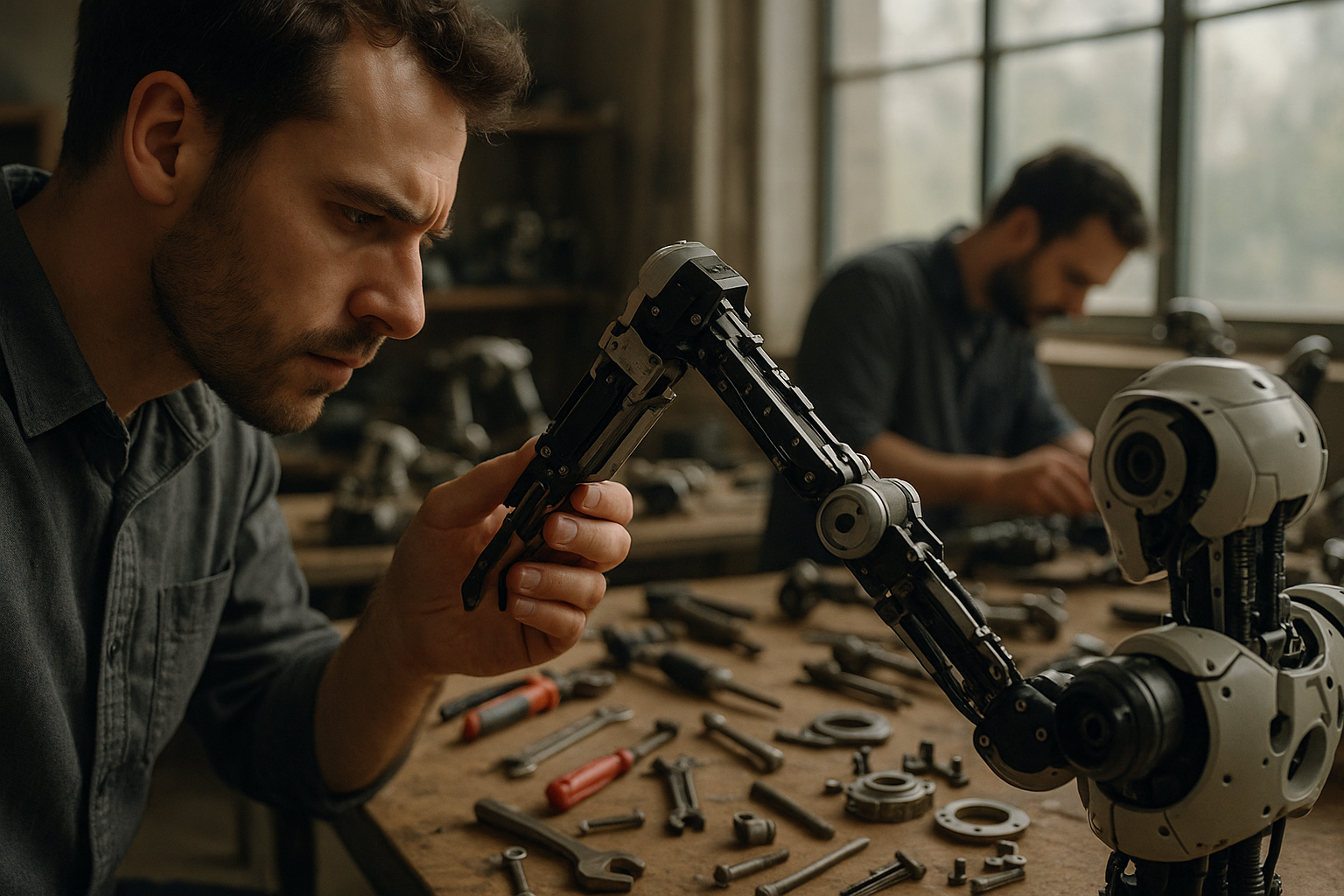
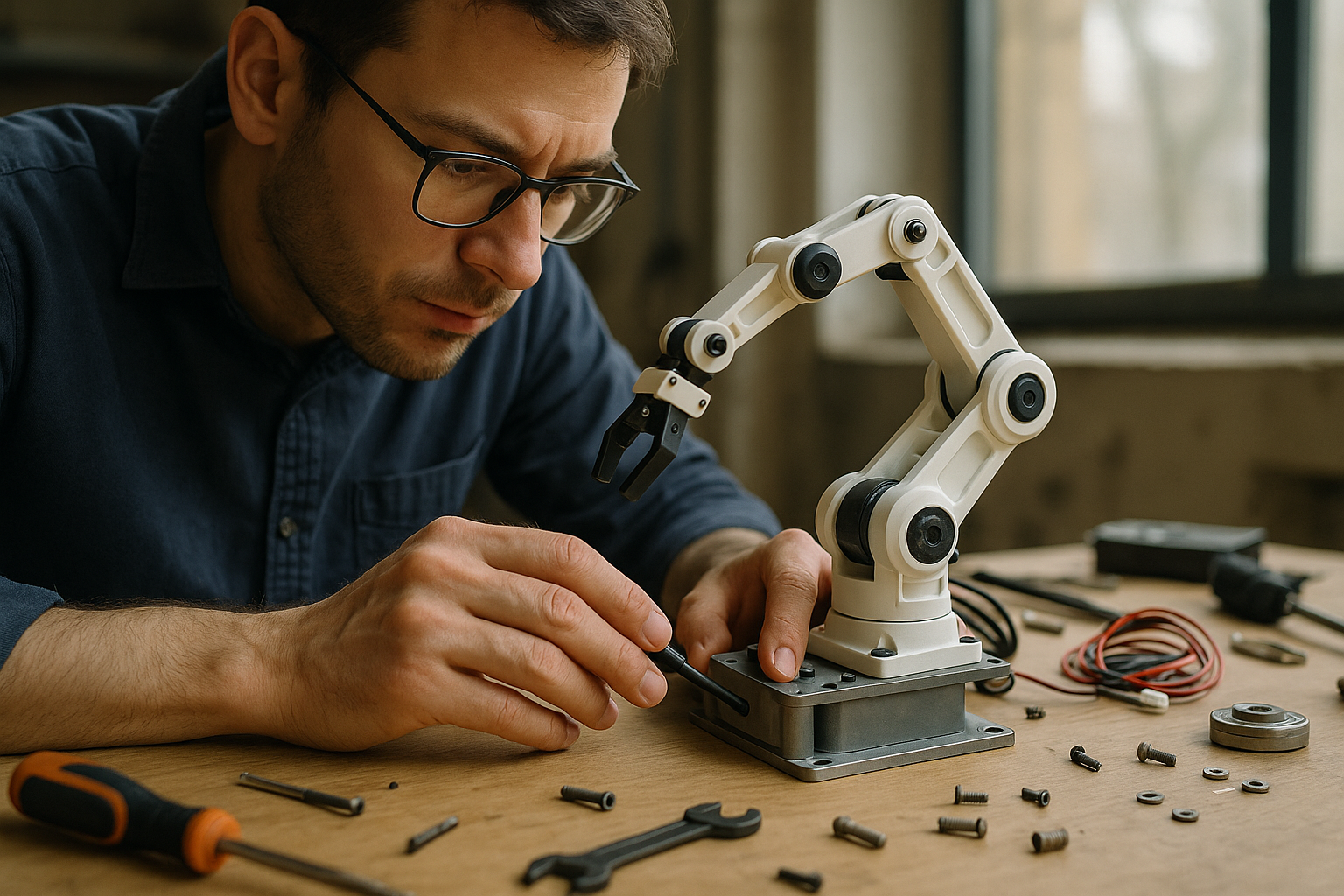
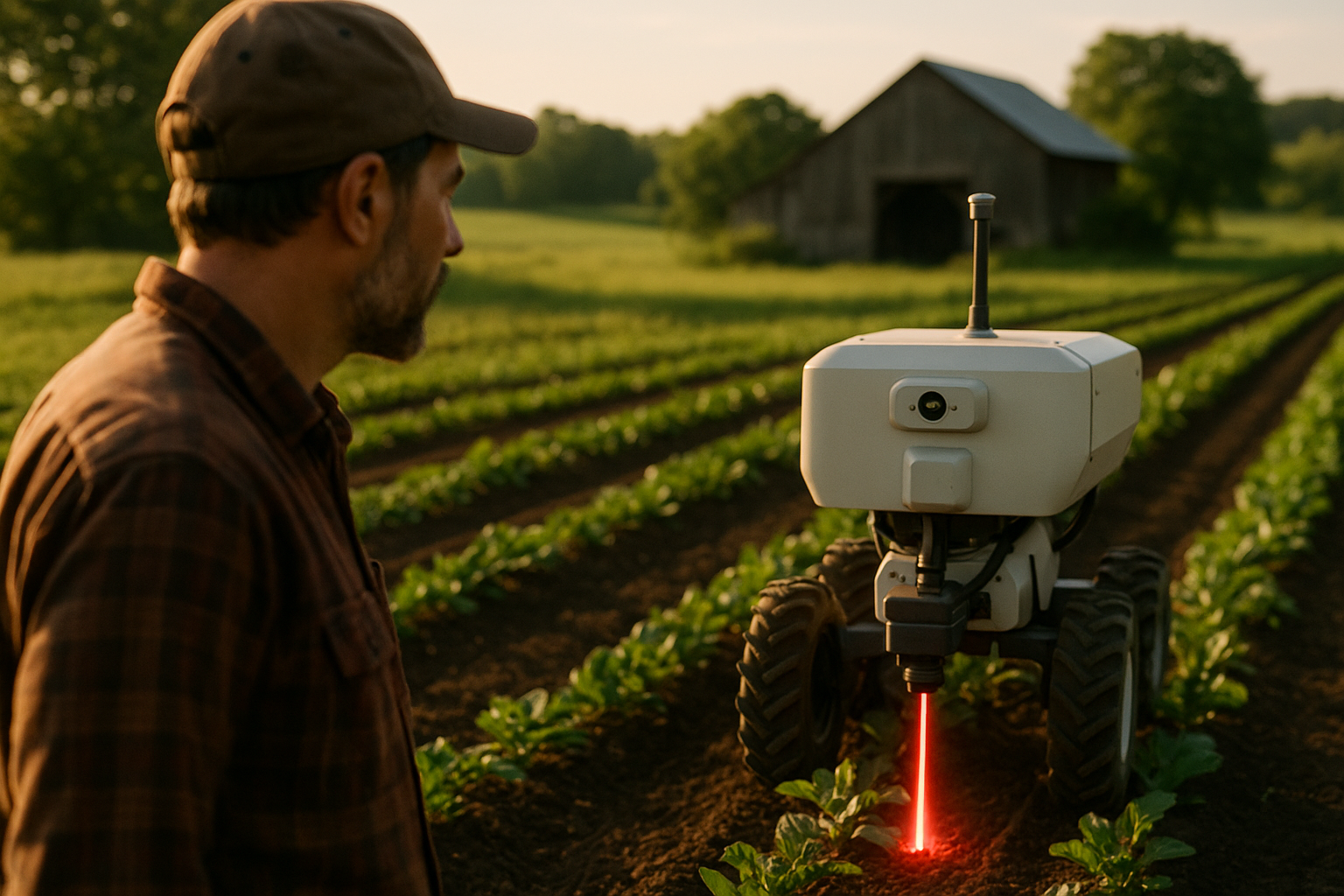
Understanding Physical State Recovery: The Missing Link in Advanced Robotics Development
Today’s excitement around artificial intelligence in robotics often centers on vision and language, but smart machines still fail at a basic requirement: recovering the physical state after contact, slip, collision, or uncertainty. Physical state recovery—estimating what actually happened to the robot and the environment, then returning to a safe, useful trajectory—is becoming the defining challenge in advanced robotics development.
For industrial robots, this capability turns fragile automation into intelligent automation: systems that can resume assembly after a mis-grasp, detect tool wear, or re-plan when parts vary. For service robots, it enables safer navigation in crowded spaces, reliable door opening, and robust object handling in homes and hospitals. This is where robotics engineering meets real-world messiness, demanding better sensing, dynamics models, and closed-loop control alongside AI in robotics.
Business implications are direct: fewer stoppages, lower integration costs, higher uptime, and broader robotics applications. As robot technology moves toward next-gen robots, companies that invest in robotics research on recovery behaviors will accelerate robotics innovation, reduce risk, and unlock scalable deployments of robotic systems.
- Key payoff: resilient smart robotics in unstructured environments
- Outcome: faster robotics advancement from pilots to production